
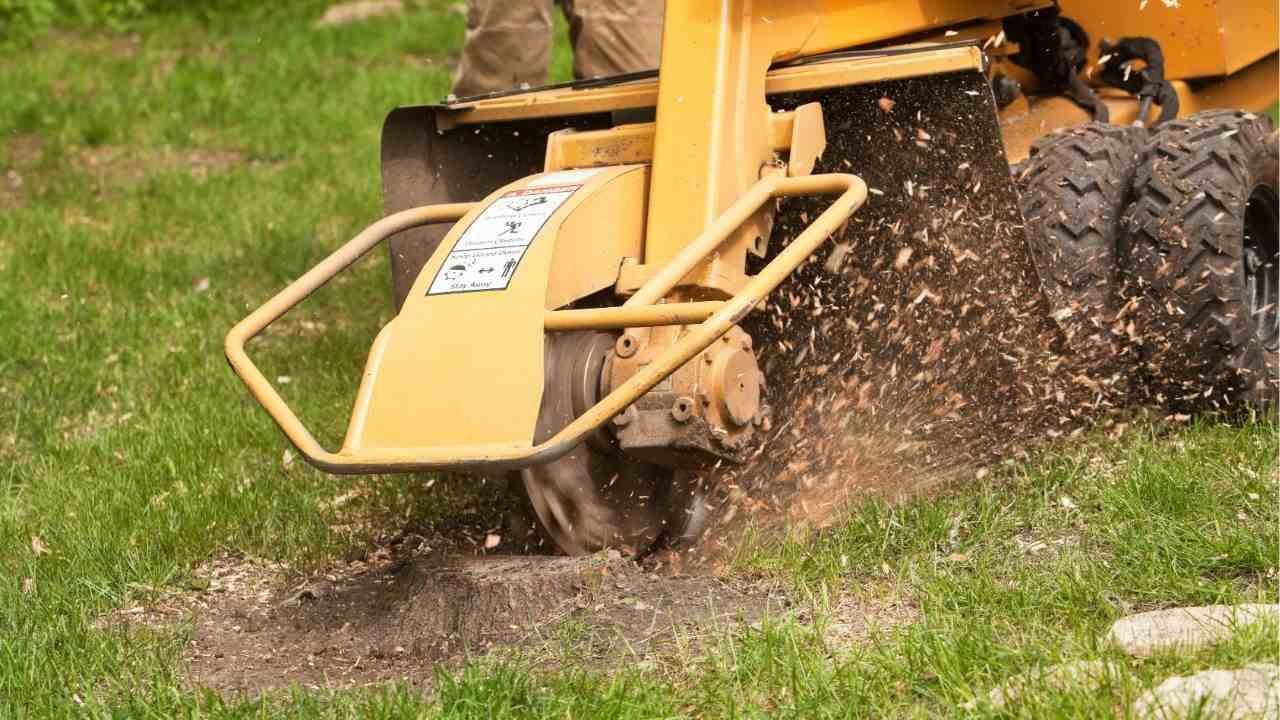
Before You Mulch: Why Grinding the Stump Is Step One
You cut down a tree, clear the branches, and suddenly your yard looks cleaner, but not quite finished. That stubborn stump sitting in the middle of your lawn? It’s more than just an eyesore. It can quietly undo all your landscaping efforts if you ignore it.
In this guide, you’ll learn why stump grinding should always come before mulching, what problems stumps can cause, and how taking the right first step sets your entire yard up for success.
Why a Tree Stump Is More Than Just Leftover Wood
At first glance, a tree stump might seem harmless. It’s low, out of the way, and easy to ignore. But beneath the surface, it’s a different story.
A leftover stump can:
Attract pests like termites, ants, and beetles
Promote fungal growth that spreads to nearby plants
Cause tripping hazards for kids and guests
Interfere with mowing and yard maintenance
Even worse, some stumps continue to sprout new growth. Instead of being done with the tree, you end up dealing with it all over again.
This is why homeowners looking into stump grinding in New Haven CT often realize it’s not just about appearance, it’s about preventing long-term issues.
How Stump Grinding Prepares Your Yard Properly
Mulching is one of the best things you can do for your yard. It locks in moisture, improves soil health, and gives your landscape a clean, polished look. But here’s the problem: mulching over a stump doesn’t solve anything.
Grinding the stump first ensures:
A level surface for even mulch distribution
Better soil contact for nutrients to circulate
No hidden decay beneath your mulch layer
A cleaner, more professional finish
When you skip this step, mulch can sink unevenly as the stump breaks down over time. That leads to patchy areas and wasted effort.
Professionals in landscaping in New Haven CT always emphasize doing the groundwork first, literally, before adding finishing touches like mulch.
The Hidden Risks of Skipping Stump Removal
Trying to cut corners by leaving a stump in place can cost you more in the long run. What looks like a time-saver today can turn into a headache tomorrow.
Here’s what you risk:
Root decay problems: As roots rot, they can create soft spots in your yard
Pest infestations: Decaying wood is a magnet for insects
Plant competition: Old roots can still compete for nutrients
Reduced curb appeal: A single stump can make your yard look unfinished
These issues don’t show up overnight, but when they do, they’re harder and more expensive to fix.
That’s why working with a trusted tree care service early on can save you from dealing with these complications later.
Case Study: A Yard That Needed a Reset
A homeowner decided to skip stump grinding after removing a large tree, thinking mulch would cover it up. At first, everything looked fine. The mulch was fresh, and the yard appeared neat.
Within six months, the area began to sink. Mushrooms started appearing, and ants moved in. The mulch had to be removed, the stump finally ground down, and the entire area redone, doubling the cost and effort.
Once the stump was properly removed and the ground leveled, the new mulch held its shape, and the yard stayed clean and pest-free. The lesson? Skipping step one almost always leads to redoing everything later.
Build a Strong Foundation Before You Mulch
A great-looking yard doesn’t happen by accident, it’s built step by step. And stump grinding is one of those steps you simply can’t skip if you want lasting results.
Think of it this way: mulch is the finishing touch, not the fix. If the base isn’t right, nothing you add on top will hold up the way it should.
Remove the stump
Level the ground
Then apply mulch for a clean, lasting finish
Take the First Step Toward a Better Yard
If you’re planning to refresh your landscape, don’t start with mulch, start with what’s underneath. Handle the stump first, and everything else will fall into place.
Reach out today and take the first step toward a cleaner, safer, and better-looking yard.