
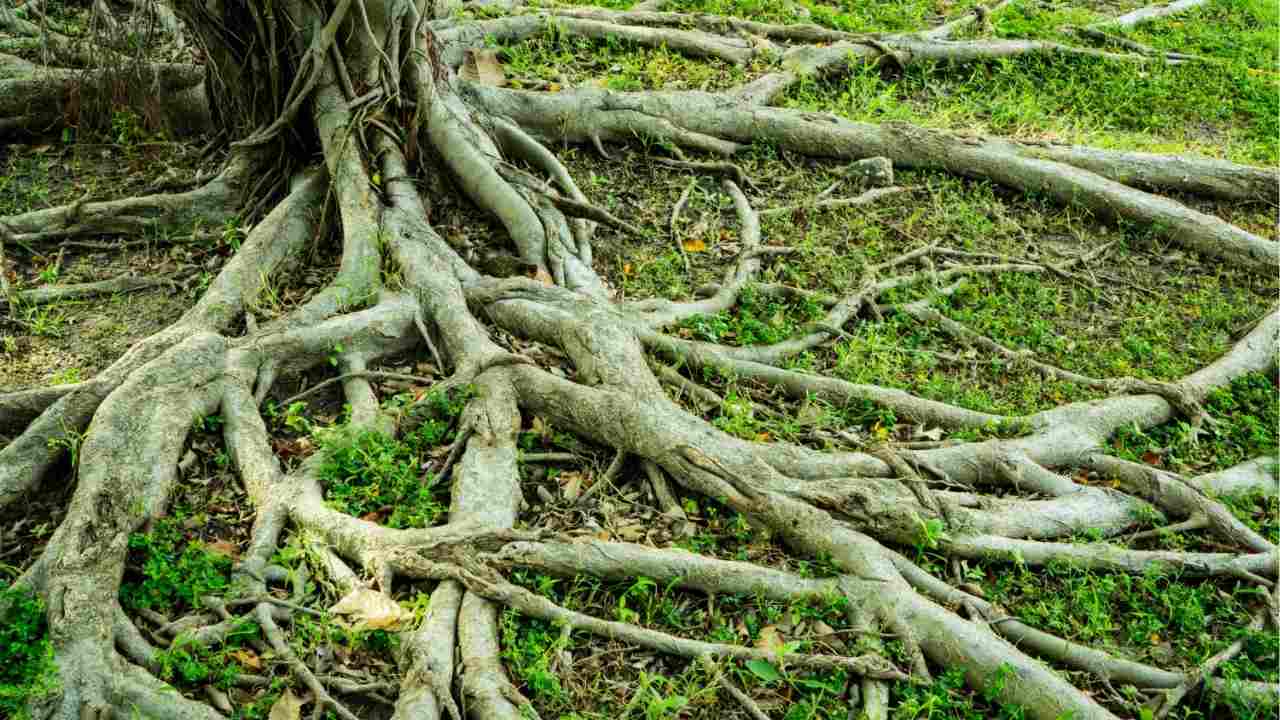
Can Tree Roots Damage Your Foundation or Driveway?
Trees add shade, privacy, and natural beauty to a property, but their roots do not always stay where homeowners expect. As roots spread beneath the soil, they can lift pavement, disrupt drainage, and contribute to structural problems that become costly when ignored.
A professional tree service in New Haven CT can evaluate whether nearby trees pose a genuine threat without recommending unnecessary removal. Some properties may only need root management, while others benefit from additional tree services such as pruning, tree removal, stump grinding, or soil improvement. The key is having local tree experts examine the tree, soil, drainage, and damaged area together before deciding what to do.
A lot of the housing stock in New Haven and Bridgeport is older, which means both the trees and the foundations and driveways they sit next to have had decades to grow into each other. A large shade tree planted close to a house in the 1960s or 70s, back when its mature root spread wasn't part of the planning, is a common setup for exactly the kind of root intrusion this guide covers. Newer construction in the area tends to have more setback between trees and hardscaping, so the risk profile really does depend on when the property was built.
How Tree Roots Affect Foundations
Tree roots rarely break through a solid, well-built foundation by brute force. Instead, they usually exploit conditions that already exist, including cracks, weak joints, loose soil, and poor drainage.
The bigger concern is often soil movement.
Trees absorb water from the ground as they grow. During dry weather, a large tree may pull significant moisture from the surrounding soil. Clay-heavy soil can shrink as it dries, causing the ground beneath part of a home to settle unevenly. This movement may place additional stress on the foundation.
Roots may also enter:
Existing foundation cracks
Gaps around utility lines
Damaged drainage systems
Leaking sewer pipes
Spaces beneath shallow footings
Areas with loose or poorly compacted soil
Once roots reach a source of moisture, they may continue growing toward it. Over time, the expanding root system can worsen an existing weakness or interfere with drainage around the building.
Warning Signs Near Your Foundation
Foundation damage can have several causes, so one symptom does not prove that a tree is responsible. However, you should arrange an inspection when you notice several of the following signs near a mature tree:
New cracks in interior or exterior walls
Doors and windows that suddenly stick
Uneven or sloping floors
Gaps around window frames
Cracks wider at one end than the other
Soil pulling away from the foundation
Exposed roots growing toward the house
Recurring plumbing or drainage problems
Do not remove a tree based on guesswork. Cutting down the wrong tree may fail to solve the problem, and sudden changes in soil moisture can sometimes cause additional ground movement.
Why Driveways Are More Vulnerable to Root Damage
Driveways, sidewalks, patios, and walkways are usually more vulnerable than foundations because they are thinner and closer to the soil surface.
Many tree species develop shallow structural roots that spread beyond the tree’s canopy. As these roots increase in diameter, they can press against the base of a driveway. The pavement may eventually crack, buckle, or rise.
Common signs of root-related driveway damage include:
Raised sections of concrete
Long cracks extending from the tree
Asphalt forming humps or waves
Repeated cracking after repairs
Visible roots along the driveway edge
Water pooling in sunken areas
Uneven surfaces that create trip hazards
These problems are not merely cosmetic. A lifted driveway can damage tires, create drainage issues, and increase the risk of falls. Small cracks also allow water to enter beneath the surface, where freezing, erosion, and soil movement can make the damage worse.
Trees More Likely to Cause Surface Damage
Any large tree planted too close to pavement can create problems, but fast-growing trees and species with shallow root systems often present a greater risk. Tree size, soil type, available moisture, and planting distance all matter.
A tree should not be judged by species alone. A healthy tree in an open yard may never cause trouble, while the same type planted between a driveway and a home may have nowhere for its roots to expand.
What Should You Do About Problematic Roots?
Cutting visible roots may seem like the fastest solution, but careless root cutting can weaken or kill a tree. Major roots stabilize the trunk and help it absorb water and nutrients. Removing too much of the root system may make the tree more likely to fall during strong winds or storms.
A safer response begins with a professional assessment.
1. Identify the Real Cause
Cracked concrete may result from poor installation, erosion, heavy vehicles, freezing temperatures, or unstable soil. Foundation movement may involve drainage failures, plumbing leaks, or construction defects.
An arborist or qualified tree professional can examine the direction, size, and condition of the roots. A foundation or paving contractor may also be needed when structural damage is already visible.
2. Consider Root Pruning Carefully
Root pruning may be appropriate when a limited number of smaller roots are affecting pavement. However, the distance from the trunk, size of the roots, tree species, and overall health of the tree must be considered.
Large structural roots should never be cut without professional guidance.
3. Install a Root Barrier
Root barriers can redirect future growth away from driveways, sidewalks, foundations, and underground utilities. They are often most effective when installed before serious damage occurs.
Barriers must be positioned correctly. An improperly installed barrier may restrict drainage, damage healthy roots, or simply push root growth into another vulnerable area.
4. Repair the Surrounding Surface
In some situations, replacing rigid concrete with a more flexible surface may reduce future damage." Rewrite it to: "In some situations, bringing in a hardscape design and masonry team to replace rigid concrete with a more flexible surface may reduce future damage.
5. Remove the Tree When Necessary
Tree removal may be the safest long-term option when:
The tree is structurally unstable
Major roots are damaging essential structures
Root pruning would make the tree hazardous
The tree is diseased or declining
There is not enough space for healthy growth
Repairs would repeatedly fail while the tree remains
Removal should be based on risk, not convenience. A healthy, well-positioned tree may be preserved through careful planning.
How to Prevent Root Damage Before It Starts
Prevention costs far less than foundation repair, driveway replacement, or emergency tree removal.
Start by planting the right tree in the right location. Consider the tree’s mature height and root spread, not its size at the garden center. A young tree planted five feet from a driveway may appear harmless today but become a major issue after ten or twenty years.
Other preventive steps include:
Keep large trees a suitable distance from structures
Maintain consistent soil moisture during drought
Repair leaking pipes and drainage systems promptly
Avoid piling soil or mulch against the trunk
Schedule routine tree health inspections
Watch for cracks, lifting, and soil movement
Address small pavement problems before they spread
Avoid cutting roots during landscaping projects
Good drainage is especially important. Downspouts should direct water away from the foundation, and the soil should slope away from the home. Uneven moisture levels around a foundation can cause soil to expand and contract at different rates.
Case Study: A Raised Driveway That Kept Cracking
A homeowner noticed that one section of a concrete driveway had risen almost two inches beside a mature tree. The slab had been patched twice, but the crack returned each year. An inspection found a large surface root growing beneath the concrete, along with erosion caused by poor drainage. Rather than immediately removing the tree, the crew evaluated its health and stability. The damaged slab was replaced with improved base material, drainage was redirected, and a root barrier was installed beyond the critical root zone. The tree remained healthy, and the repaired driveway stayed level because both the root growth and drainage problem were addressed.
Protect Your Property Before Damage Spreads
Tree roots can contribute to foundation movement and cause serious driveway damage, but every crack or uneven surface requires a careful diagnosis. Acting early gives you more repair options and may allow you to preserve the tree while protecting your home.
If you're seeing cracks, lifting, or drainage problems near a tree on your New Haven or Bridgeport property, call Avalanche Tree and Landscaping at (203) 800-3010 or contact us to inspect the roots, evaluate the tree, and recommend the safest fix for your foundation or driveway.