
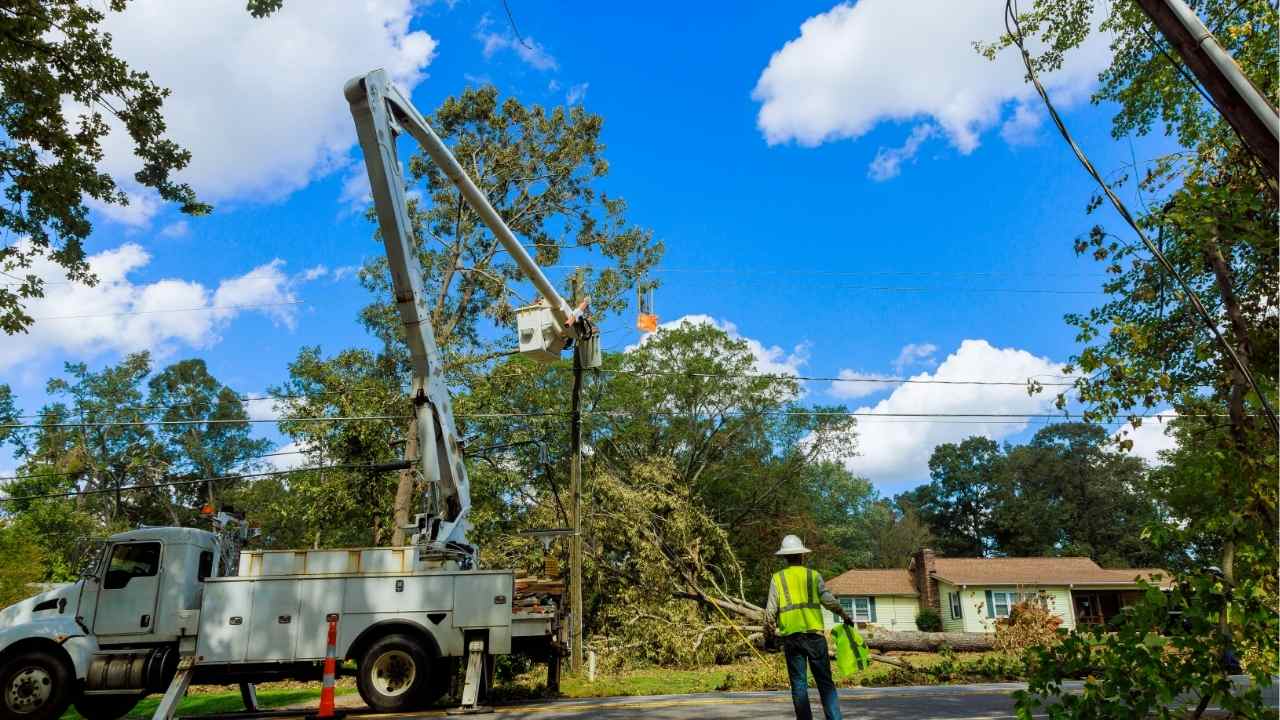
Emergency Tree Removal: What to Do After a Storm
A major storm can turn a healthy-looking yard into a dangerous mess in minutes. Heavy winds, saturated soil, lightning, and falling branches can leave trees leaning over homes, blocking driveways, or tangled in power lines.
Knowing what to do next can protect your family, prevent more property damage, and help you avoid dangerous cleanup mistakes. Here is how to assess the situation, respond safely, and decide when emergency tree removal is necessary.
New Haven and Bridgeport, CT both sit on the Connecticut shoreline, which means storm systems coming off Long Island Sound tend to hit these two towns with heavier wind gusts than inland areas see. That coastal exposure is part of why Avalanche Tree and Landscaping runs a 24-hour storm damage service for both New Haven and Bridgeport properties. When a nor'easter or summer squall rolls through, our crews are already set up to respond to leaning trees, downed limbs, and storm-blocked driveways in either town without a long wait for equipment to be mobilized.
Start With Safety Before Inspecting the Damage
Your first instinct may be to walk outside and see what happened. That can be risky, especially when damaged trees, broken electrical lines, and hanging branches are involved.
Before approaching any storm-damaged area, look for immediate hazards from a safe distance.
Watch for:
Trees or large branches resting on power lines
Leaning trees that were upright before the storm
Split trunks or large cracks
Broken branches hanging overhead
Uprooted or exposed root systems
Trees resting against roofs, vehicles, fences, or sheds
Blocked roads, sidewalks, and driveways
If you see a tree touching a utility line, stay away. Do not attempt to move the tree or trim branches yourself. Contact the utility company and emergency professionals as appropriate.
Storm-damaged trees can shift without warning. A trunk that appears stable may be under extreme tension, while broken limbs can fall long after the rain and wind have stopped.
Determine Whether the Tree Is an Emergency
Not every damaged tree needs to come down immediately. Some can be inspected, pruned, and saved. Others pose an immediate threat and require fast action.
Emergency removal may be necessary when a tree is:
Leaning toward an occupied building
Blocking emergency access to a property
Severely uprooted
Split through the main trunk
Resting on a house or other structure
Dropping large branches without warning
Structurally unstable after being struck by lightning
A professional assessment can help distinguish between cosmetic storm damage and serious structural failure.
Homeowners searching for a tree removal service in New Haven CT should look for a team equipped to handle unstable trees, confined spaces, and storm-related hazards. Emergency work requires more than a chainsaw. Crews may need climbing equipment, rigging systems, cranes, or specialized machinery to bring a damaged tree down without causing additional damage.
Timing also matters. An unstable tree that survives the initial storm may fall during the next strong gust or period of heavy rain.
Document the Damage Before Cleanup Begins
Once the property is safe to approach, take photos and videos before major cleanup starts. Good documentation can be useful if you plan to submit an insurance claim.
Photograph the tree from several angles as well as any damage to:
Roofing and gutters
Siding
Windows
Vehicles
Fencing
Decks and patios
Outdoor structures
Utility connections
Avoid moving major debris until you have documented the scene unless leaving it in place creates an immediate safety problem.
If a tree has damaged your home, contact your insurance company as soon as practical. Coverage varies by policy and circumstances, so keep records of conversations, estimates, invoices, and emergency work performed.
Professional residential tree services can also provide written estimates and details about the work required. Those records may help clarify which services were necessary to make the property safe.
Why DIY Emergency Tree Removal Can Go Wrong
Removing a small fallen branch is one thing. Cutting apart a large storm-damaged tree is very different.
Trees that have fallen or partially collapsed often contain tremendous stored pressure. Branches can spring backward when cut. Trunks can roll. Root balls can shift suddenly. Damaged limbs suspended above the ground can fall in unexpected directions.
Chainsaws introduce another layer of risk.
Emergency tree crews understand how to evaluate load, tension, balance, and potential fall paths before making the first cut. They can also determine whether equipment such as ropes, bucket trucks, loaders, or cranes is necessary.
Trying to save money with DIY removal can quickly become expensive if a tree falls onto a roof, vehicle, neighboring property, or utility line. Personal injuries can be far more serious.
When the damage involves a mature tree or anything close to a building, professional help is usually the safer choice.
What Happens During Professional Emergency Tree Removal?
The process begins with an assessment of the tree and everything surrounding it. The crew identifies unstable sections, nearby structures, access points, electrical hazards, and the safest removal method.
Depending on the situation, technicians may remove the tree in sections rather than cutting it down from the base. Controlled rigging can lower branches and trunk sections into designated areas.
After the immediate hazard is removed, the crew may:
Cut and remove fallen limbs
Haul away logs and debris
Grind or remove the stump
Inspect neighboring trees
Prune storm-damaged branches
Clear access routes
Homeowners who already use landscaping services in New Haven CT may want to have the rest of the property checked after a severe storm. One tree may receive the most obvious damage, while neighboring trees can develop cracks, broken leaders, or unstable limbs that are harder to see from the ground.
That follow-up inspection can reduce the chance of another problem days or weeks later.
Short Case Study: A Dangerous Lean After Heavy Winds
After a night of strong winds and heavy rain, a homeowner discovered that a mature tree beside the driveway had shifted several feet toward the house. The tree had not fallen, but soil around the roots had lifted and cracked. Instead of cutting exposed roots or attempting to straighten the tree, the homeowner kept vehicles and family members away from the area and called a professional crew. The team determined that the root system had lost too much stability for the tree to recover safely. By removing the tree in controlled sections, they avoided damage to the nearby roof, driveway, and fence.
How to Reduce Tree Damage Before the Next Storm
You cannot prevent every tree failure, but regular maintenance can greatly reduce the risk.
Healthy, properly maintained trees are generally better prepared for wind and heavy rainfall than neglected trees with dead limbs, poor structure, or hidden decay.
Before storm season, consider having mature trees inspected for:
Dead or dying branches
Cracks in major limbs
Weak branch unions
Trunk cavities or decay
Fungal growth
Root damage
Excessive leaning
Dense or poorly balanced canopies
Selective pruning can reduce hazardous deadwood and improve tree structure. Removing a severely declining tree before a major storm can also be safer and less expensive than dealing with emergency damage later.
Keep an eye on changes throughout the year. New leaning, exposed roots, unusual cracks, or large dead branches deserve attention even when severe weather is not in the forecast.
Act Quickly When a Damaged Tree Threatens Your Property
Storm cleanup can wait in many situations. A dangerously damaged tree should not.
If a tree is leaning, uprooted, split, resting on a structure, or dropping large limbs, keep people away from the area and arrange a professional inspection. Fast action can prevent a hazardous situation from turning into much more serious property damage.
If a storm has left dangerous trees or branches around your home in New Haven or Bridgeport, call Avalanche Tree and Landscaping at (203) 800-3010 for 24-hour emergency tree removal, or request a free quote and we'll assess the damage and make your property safe again.