
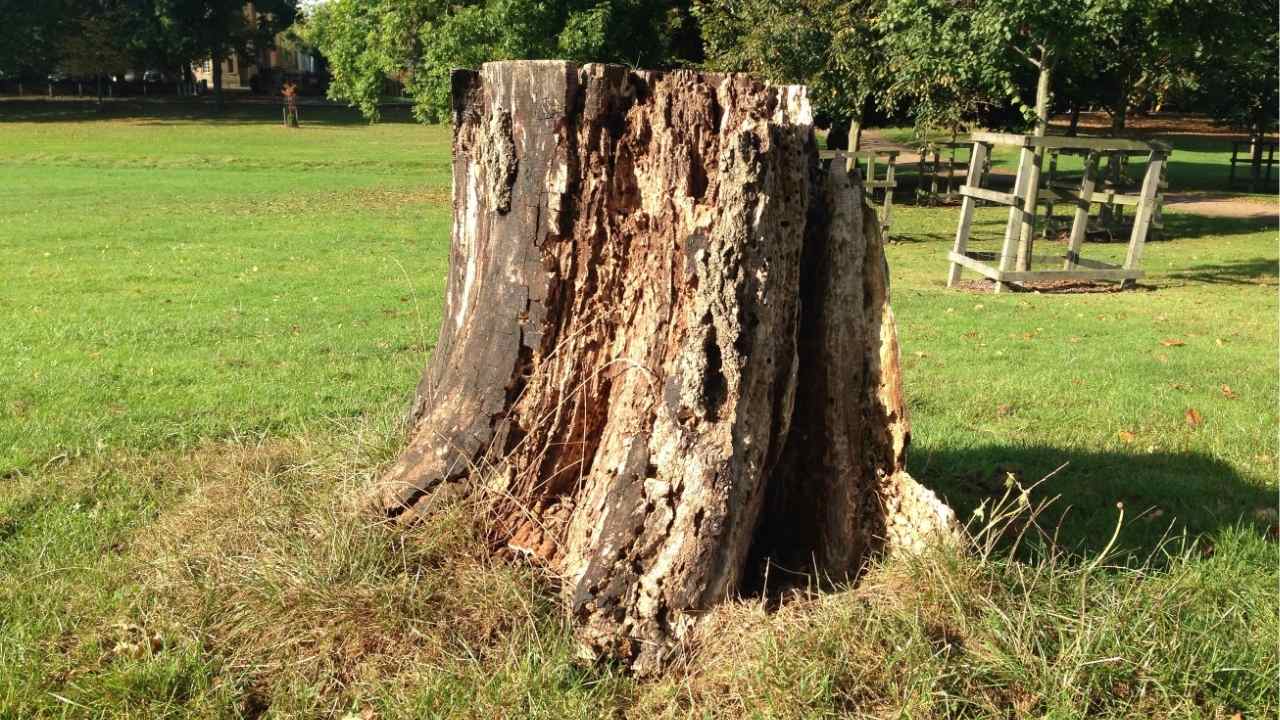
How Long Should You Wait to Remove a Stump?
Cutting down a tree may solve the immediate problem, but the stump left behind can create a new set of headaches. It can become a tripping hazard, attract pests, interfere with landscaping, and make your yard harder to maintain.
For homeowners considering stump grinding in New Haven CT, the big question is usually timing. Should you remove the stump right away, or can it wait? In many cases, removal can be handled soon after the tree comes down, especially when the goal is to restore the yard quickly. A company offering additional tree services can also evaluate the surrounding roots, soil, and nearby structures before recommending the best approach. Professional tree stump removal helps clear the area safely while preparing the space for grass, landscaping, or future improvements.
This guide explains when stump removal should happen, when waiting makes sense, and how delaying the job can affect your property.
Can You Remove a Stump Right After Tree Removal?
Yes. In most situations, a stump can be removed shortly after the tree itself is cut down.
You generally do not need to wait weeks or months for the stump to dry out. Modern stump grinders are designed to handle both fresh and older stumps. In fact, removing the stump while the tree removal project is still fresh can make the entire process more efficient.
Immediate removal makes the most sense when:
The stump is located in a lawn or walkway area
You want to replant grass or install landscaping
The stump creates a tripping hazard
You plan to build a patio, fence, shed, or driveway nearby
The tree was removed because of disease or pest damage
You want the yard cleared as quickly as possible
Removing the stump early also prevents you from having to work around it every time you mow, landscape, or clean the yard.
There is rarely an advantage to leaving an unwanted stump sitting in the ground unless you have a specific landscaping reason for keeping it.
What Happens If You Leave a Stump Too Long?
A stump may look harmless at first, but it continues to change after the tree is removed.
As the wood breaks down, insects, fungi, and moisture may begin taking advantage of the decaying material. The stump can also become softer, uneven, or hidden by grass and weeds.
Pest Activity
Decaying wood can attract ants, beetles, termites, and other insects that feed on or live inside dead wood.
Not every stump will create a major pest problem, but leaving one in place gives insects a convenient habitat close to your home and landscaping.
New Sprout Growth
Some tree species continue producing shoots after the main trunk has been removed.
These sprouts can appear around the stump or along remaining roots. Cutting them repeatedly may become frustrating, especially if the root system is still active.
Lawn Maintenance Problems
Mowing around a stump gets old quickly.
Grass and weeds often grow against the edges, making trimming necessary every time you maintain the yard. Tree roots may also remain exposed, creating uneven ground that can damage lawn equipment.
Safety Concerns
A low stump can be difficult to see, especially when grass grows around it.
Children, guests, landscapers, or anyone walking through the yard may trip over it. Stumps near driveways or walking paths are particularly inconvenient.
Landscaping Limitations
A stump occupies valuable space.
You may eventually want to install a garden bed, plant new trees, extend a patio, or redesign the yard. Removing the stump later can delay those projects.
The sooner you know how you want to use the area, the easier it is to decide when removal should happen.
When Does It Make Sense to Wait?
Although fast removal is often convenient, there are situations where waiting is reasonable.
For example, you may want time to decide how the yard will be redesigned. If you are planning a larger landscaping project, a contractor may recommend coordinating stump removal with grading, excavation, or new planting.
Seasonal conditions can also affect scheduling.
Extremely wet soil may make it harder to bring heavy equipment into certain parts of the property without damaging the lawn. Frozen ground can create similar access issues during winter.
You might also delay removal when the stump is far from walkways, buildings, or landscaped areas and is not causing any immediate problems.
Still, waiting should be intentional rather than simply forgetting about the stump.
Ask yourself:
Is the stump creating a safety risk?
Are roots interfering with mowing?
Will the area be landscaped soon?
Could the stump attract pests?
Do I need the space for another project?
Those questions usually make the decision fairly clear.
Stump Grinding vs. Full Stump Removal
Homeowners often use these terms interchangeably, but they describe different approaches.
Stump grinding uses specialized equipment to grind the visible stump several inches below ground level. The remaining hole can then be filled with soil and wood chips.
Grinding is popular because it is efficient and causes less disruption to the surrounding yard.
Full removal involves extracting the stump along with a larger portion of the root system. This typically requires more digging and creates a larger hole.
Grinding may be ideal when you simply want the stump gone and plan to restore the lawn.
More extensive removal may be considered when:
Construction is planned in the area
Large roots interfere with foundations or hardscaping
Underground utilities or drainage improvements are involved
The property will be heavily graded or excavated
A tree service professional can inspect the site and recommend the option that fits the property.
Short Case Study: Removing a Backyard Stump Before Landscaping
A homeowner had a mature tree removed from a backyard but left the stump because it did not seem urgent. Over the next year, grass grew around it, mowing became difficult, and several small shoots began appearing near the roots.
When the family eventually decided to install a new patio and garden bed, the stump became an obstacle. A tree care crew ground the stump below grade and cleared the surrounding debris before the landscaping project began.
By removing the stump before construction started, the homeowner avoided delays and gave the landscaping contractor a clean surface to work with.
The lesson was simple: once a stump is no longer useful, removing it early often makes future yard projects easier.
How Long Should You Really Wait?
For most homeowners, there is no required waiting period.
A healthy stump can usually be ground soon after the tree is removed. If the stump is creating a safety hazard, interfering with landscaping, or occupying space you need, taking care of it sooner is usually the smarter choice.
Waiting several months may not cause serious problems, but there is rarely a benefit unless weather, access, budgeting, or future landscaping plans make a delay necessary.
The most important thing is to evaluate how the stump affects your property today and how it could affect future projects.
Clear the Stump Before It Becomes a Bigger Problem
A leftover stump may seem easy to ignore, but it can gradually become an inconvenience, safety concern, or landscaping obstacle. Removing it early keeps your property easier to maintain and gives you more freedom to use the space.
Contact a trusted local tree care professional to inspect the stump, discuss the safest removal method, and help you reclaim your yard.