
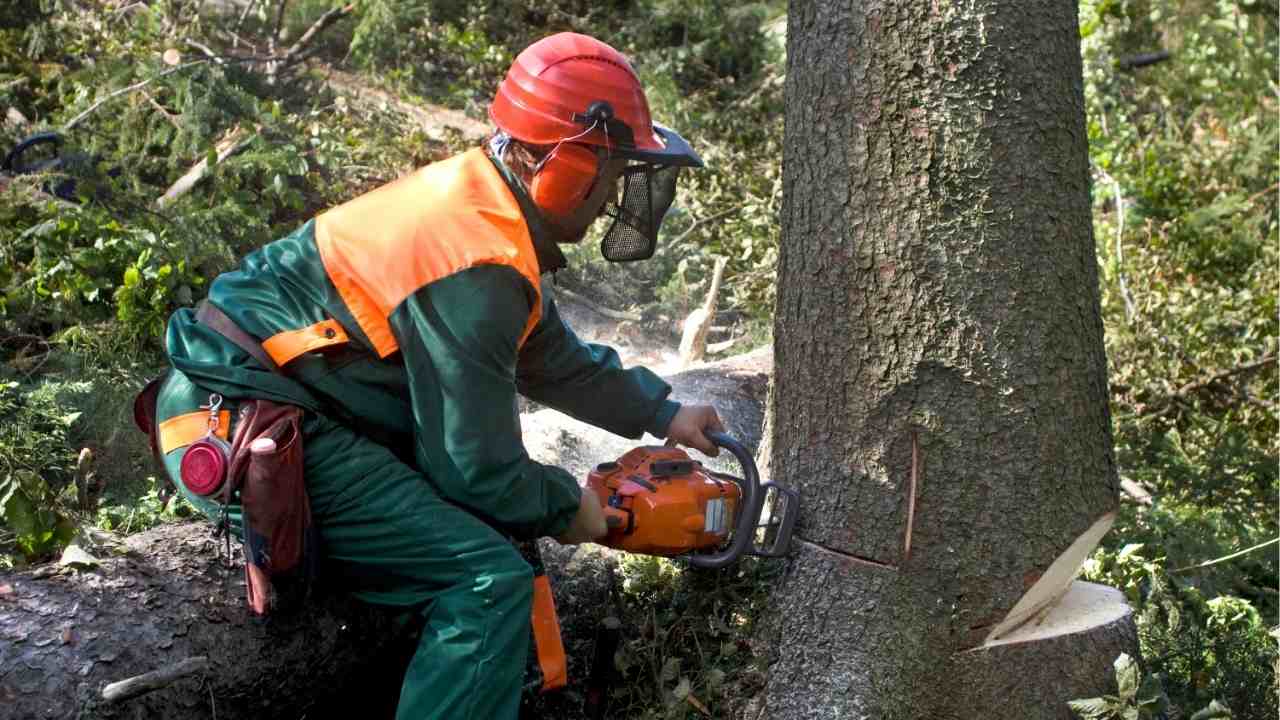
How Much Does Tree Removal Cost in Connecticut?
Tree removal is one of those home projects most people delay until the problem becomes impossible to ignore. A leaning trunk, storm-damaged limbs, cracked branches, or roots creeping too close to the foundation can quickly turn from a small concern into a serious safety risk.
In Connecticut, tree removal costs can vary widely because every property is different. The size of the tree, its location, the condition of the trunk, and the equipment needed all play a role in the final price. If you are comparing options for tree care in New Haven CT, it helps to understand what affects cost before requesting an estimate.
Whether you need a dangerous tree removed, a yard cleared for a project, or help from a landscaping contractor in New Haven CT, knowing the basics can help you avoid surprises. The right local tree experts can inspect the situation, explain your options, and recommend the safest way to move forward.
Average Tree Removal Cost in Connecticut
Most Connecticut homeowners can expect tree removal to cost anywhere from a few hundred dollars to several thousand dollars. Small trees are usually the least expensive, while tall, heavy, or hard-to-reach trees cost more because they require additional labor, rigging, climbing, or specialized equipment.
A small tree under 30 feet may cost less than a large oak, maple, or pine that towers over a home, driveway, fence, or utility line. Trees in open yards are often easier to remove than trees squeezed between structures. The more controlled the removal needs to be, the more time and skill the job requires.
Tree condition also matters. A dead or rotting tree may seem easier to remove, but it can actually be more dangerous. Weak branches and hollow trunks can break unpredictably, which means crews need to take extra precautions.
What Factors Affect the Price?
Tree removal pricing is not based on height alone. Contractors look at the full situation before giving an estimate.
Common cost factors include:
Tree height and trunk diameter
Tree species and wood density
Distance from buildings, fences, or power lines
Whether the tree is dead, diseased, or storm-damaged
Site access for trucks, cranes, or chippers
Amount of cleanup required
Whether stump grinding is included
For example, removing a medium-sized tree in an open backyard may be fairly straightforward. Removing a large tree leaning over a garage is a different job entirely. That may require section-by-section cutting, ropes, cranes, and a larger crew.
Cleanup can also affect the total. Some homeowners only want the tree cut down, while others want the wood hauled away, branches chipped, and the area cleared. Stump grinding is usually priced separately unless included in the quote.
Why Professional Tree Removal Is Worth It
Tree removal is not a good DIY project when the tree is large, unstable, or close to anything valuable. A falling limb can damage a roof, crush a vehicle, tear down wires, or injure someone nearby. Even experienced homeowners can underestimate how much a tree weighs or how it will fall once cut.
Professional crews bring the right equipment and safety process. They know how to control each cut, manage falling sections, and protect nearby structures. They can also spot warning signs that are easy to miss, such as internal decay, root damage, pest activity, or disease.
Hiring a professional may cost more upfront than trying to handle it yourself, but it can save thousands in property damage and emergency repairs.
Short Case Study: A Tree Too Close to the House
A homeowner in southern Connecticut noticed a large maple leaning toward the back corner of the house after several days of heavy rain. From the ground, the tree looked stable, but an inspection showed root movement and soft soil near the base. Because the tree stood close to the roofline and patio, the crew removed it in sections using ropes and controlled cuts. The homeowner avoided potential roof damage, and the yard was cleaned up the same day. The final cost was higher than a basic removal, but far lower than repairing storm damage after a fall.
When Should You Request an Estimate?
You should schedule an inspection if a tree is leaning, dropping large branches, showing cracks, growing fungus, or losing bark. You should also call before major landscaping work, fence installation, home additions, or driveway projects. Removing the wrong tree too late can slow down an entire project.
A good contractor will not just give you a number. They will explain what is included, what might cost extra, and how the removal will be handled. Ask whether the estimate includes debris hauling, stump grinding, permits, and cleanup.
Tree removal costs in Connecticut depend on risk, access, size, and cleanup needs. The safest next step is to get a professional inspection before the problem becomes urgent. Contact a trusted local team today to schedule an estimate and protect your property before the next storm makes the decision for you.