
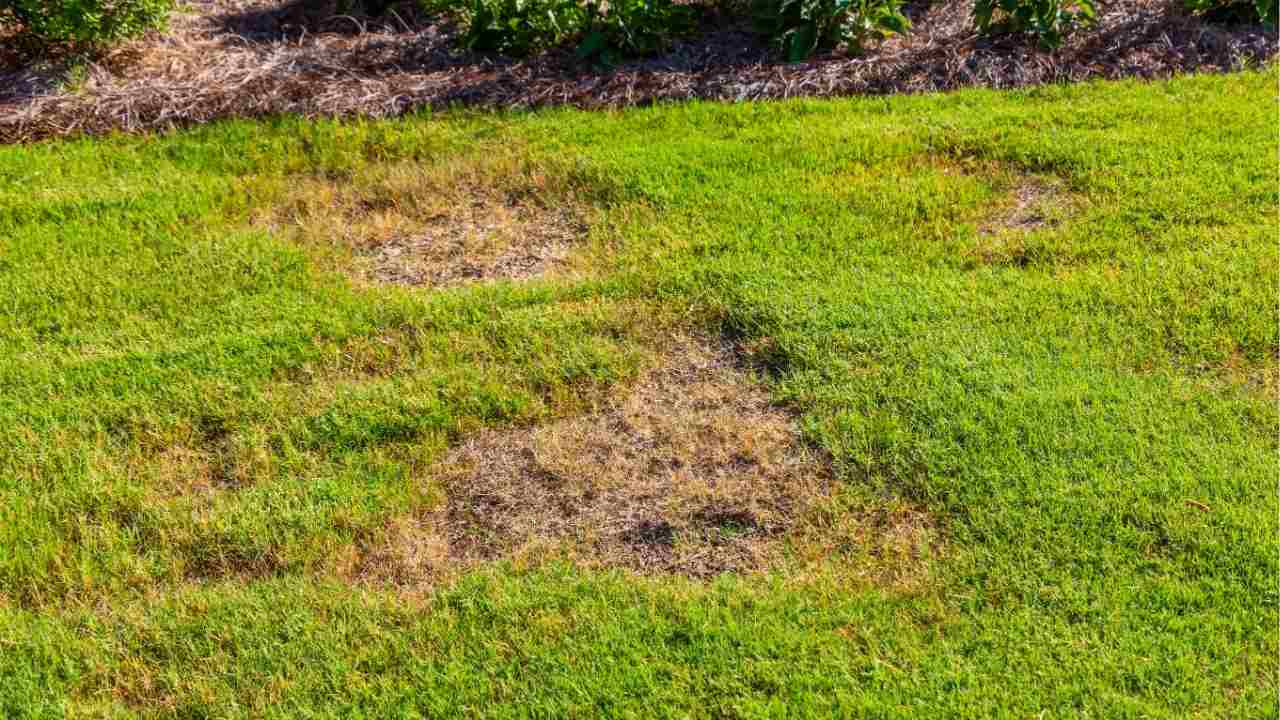
Why Your Lawn Has Bare Spots (And How to Fix Them)
A healthy lawn should feel like a soft green carpet, not a patchwork quilt. So when bare spots start showing up, it can make the whole yard look tired, neglected, and harder to enjoy. The good news is that most bare patches have clear causes and once you know what is damaging the grass, you can fix the problem for good.
In this guide, you’ll learn why bare spots appear, how to repair them, and what steps help prevent them from coming back.
Bare Spots Usually Start Below the Surface
Bare patches are often blamed on “bad grass,” but the real problem is usually soil, water, foot traffic, pests, or poor maintenance. Grass needs the right conditions to grow thick and strong. When one of those conditions is missing, the lawn thins out until dirt starts showing through.
Common causes include:
Compacted soil
Too much shade
Pet urine
Heavy foot traffic
Grub or insect damage
Drought stress
Poor drainage
Mowing too short
If you’re already comparing options for lawn care in New Haven CT, start by identifying the cause before reseeding. That matters because seed alone will not solve a deeper issue. For example, grass planted over compacted soil may sprout, but it will struggle to build strong roots. The same goes for shaded areas where the wrong grass type was planted.
This is also why many homeowners turn to landscaping services New Haven CT when the same patches return every season. A professional can look at the soil, sun exposure, drainage, and lawn use as one complete system. A good residential landscaper will not just throw seed on the ground and hope for the best. They will correct the condition that caused the bare area in the first place.
How to Find the Real Cause
Start with a simple inspection. Walk around the lawn and look closely at where the bare spots appear. If they are near walkways, patios, or play areas, foot traffic may be the issue. If they show up under trees, shade and root competition are likely involved. If the grass pulls up easily like loose carpet, grubs may be feeding on the roots.
Drainage is another common problem. Grass that sits in soggy soil can weaken, rot, or thin out. On the other hand, dry, dusty soil may mean the area is not getting enough water or the soil is too compacted to absorb moisture.
Pet damage is usually easier to spot. Urine burns often appear as round yellow or brown patches, sometimes with a darker green ring around the edge. This happens because concentrated nitrogen can burn the grass, while diluted nitrogen around the edge may act like fertilizer.
The Right Way to Repair Bare Spots
Once you know the cause, you can repair the area properly. First, rake away dead grass, leaves, and debris. Loosen the top few inches of soil with a rake or hand tool. If the soil is hard and compacted, aerating the area will help water, air, and nutrients reach the roots.
Next, add a thin layer of quality topsoil or compost. This improves seed-to-soil contact and gives new grass a better start. Choose grass seed that matches your yard’s conditions. Sunny areas need a sun-tolerant blend, while shaded areas need seed designed for lower light.
After spreading the seed, lightly rake it into the soil and cover it with a thin layer of straw or compost. Water gently and consistently. The soil should stay moist, not soaked, until the seed germinates and the young grass is established.
Avoid mowing the repaired area too soon. Let the new grass reach about three to four inches tall before cutting it. When you do mow, use a sharp blade and avoid removing more than one-third of the grass height.
How to Keep Bare Spots From Coming Back
Repairing a bare patch is only half the job. Prevention is what keeps your lawn looking full season after season.
Here are a few smart habits:
Mow at the right height for your grass type
Water deeply instead of lightly sprinkling
Aerate compacted areas once a year
Reseed thin areas before they become bare
Keep pets and heavy traffic off weak spots
Fertilize based on your lawn’s actual needs
Improve drainage where water collects
A thicker lawn is also the best natural defense against weeds. When grass is dense, weeds have less space and sunlight to take hold. That means fewer bare spots, fewer weed problems, and a yard that looks cleaner with less effort.
Short Case Study: Turning Patchy Grass Around
A homeowner noticed the same bare strips appearing every spring near the backyard gate. At first, they reseeded the area each year, but the grass always disappeared again by summer. After a closer look, the real issue was heavy foot traffic combined with compacted soil. The repair included aerating the area, adding compost, reseeding with a durable grass blend, and installing a small stepping-stone path. Within several weeks, the grass filled in around the path, and the bare strip stopped returning. The fix worked because it solved the cause, not just the symptom.
Final Thoughts
Bare spots are frustrating, but they are not random. Your lawn is showing you that something needs to change, whether it is soil condition, watering, shade, pests, or daily wear. Fix the root cause first, then reseed with care, and your lawn has a much better chance of growing back thick and healthy.
Start by inspecting one bare spot today, identify the most likely cause, and take the first repair step before the patch gets bigger. For expert help bringing your lawn back to life, contact us today.