
Snow Removal Contracts for New Haven Properties: What to Settle Before the First Storm
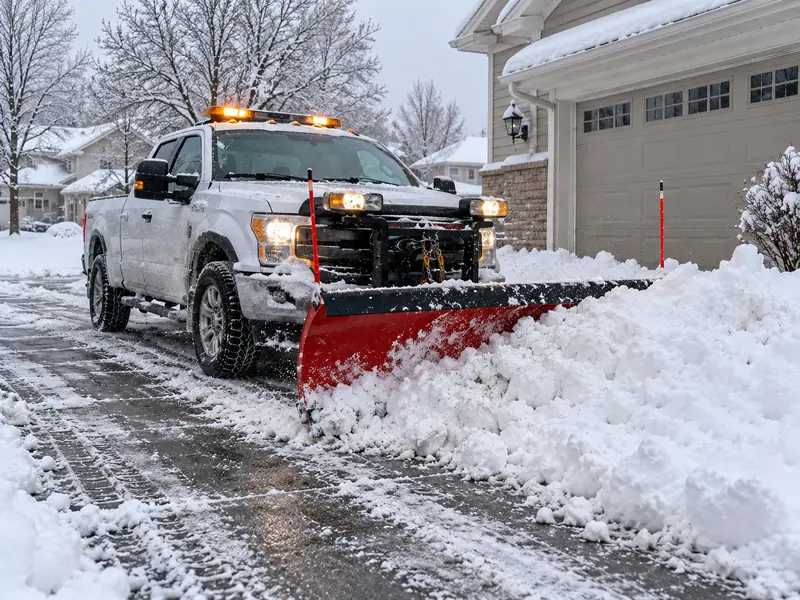
When a storm winds down in New Haven, the clock starts. The city asks property owners to clear snow and ice from their sidewalks within 24 hours of the storm's end, and it asks everyone not to shovel or blow snow from sidewalks and parking spaces back into the street. For a busy homeowner, a landlord with tenants, or a business that needs its lot open by morning, a clear snow removal contract is what turns that deadline into something you don't have to think about.
A good snow removal contract spells out five things in plain writing: how you pay (seasonal or per visit), when the crew comes out, exactly what gets cleared, whether salting is included, and where the snow gets piled. Settling those before the first storm helps head off the usual winter confusion. Our snow removal services in New Haven cover both one-time cleanups and seasonal contracts for homes and businesses.
1. Seasonal contract or pay per visit
Most snow agreements fall into one of two shapes.
A seasonal contract covers the winter as a whole. Visits are scheduled based on the weather, and you know your commitment up front. This suits properties that can't be left uncleared, such as a storefront, a medical office, a multi-family building, or anyone who leaves for work before sunrise.
One-time or per-event service means you call when you need help. It can make sense for a homeowner who handles light snow themselves and only wants backup when a big storm hits.
Neither option is right for everyone. The better question is what happens to your property if nobody shows up after an overnight storm. If the answer is "tenants can't get out" or "customers can't get in," a seasonal arrangement is usually worth a closer look.
2. When the crew actually comes out
This is the single most important line in any snow agreement, and the one most often left vague. Contracts usually name a trigger: a depth of accumulation at which the crew is dispatched. Some also say whether crews clear during a long storm or wait until it tapers off.
Ask for the trigger in writing, along with what happens for lighter snowfall that stays under it. A light dusting followed by a hard freeze can be more dangerous than a deeper, fluffy snow, which is why ice management deserves its own line (more on that below).
3. What gets cleared, and where the snow goes
"Snow removal" means different things to different people, so list the surfaces:
Driveway or parking lot
Walkways and entry steps
Public sidewalk along the property
Dumpster pads, loading areas, or fire exits for commercial sites
Mailbox and hydrant access
Then decide where the snow will be stacked. In New Haven that matters more than it might elsewhere. Snow can't simply be pushed back into the street, and many properties are tight, with little room between the driveway, the neighbor's fence, and the sidewalk. A good plan keeps piles away from sightlines at the driveway exit, away from storm drains, and off lawn areas and planting beds you care about.
4. Salting and ice management
Plowing moves snow. It does not stop the thin layer left behind from refreezing overnight. Ask whether salting or ice melt is included in the contract, charged per application, or not offered at all.
Surface type matters too. Pavers, natural stone, and newer concrete can react differently to de-icers, so tell your contractor what your walkways and patio are made of. We use ice melt products chosen to be safe for surfaces, and we assess each property before we start clearing to identify obstacles and delicate areas. If you've invested in a stone patio or paver walkway through our hardscape and masonry work, mention it when you set up snow service.
5. The sidewalk question
Connecticut law lets towns adopt ordinances that shift sidewalk snow and ice liability to the abutting property owner (CGS 7-163a). The City of New Haven's snow removal guidance asks property owners to clear sidewalks within 24 hours after a storm ends. For landlords and business owners, that makes the public sidewalk one of the most important items to name in a contract, not an afterthought.
This is general information, not legal advice. If you manage rental or commercial property, it's worth a short conversation with your insurer or attorney about how sidewalk responsibility is handled for your address.
6. Protecting the property itself
Plow blades and packed snow can scrape lawn edges, crack curbing, and knock over low plantings. Before the ground freezes, walk the property with your contractor and mark driveway edges, curbs, irrigation heads, and garden borders. A pre-season walk-through is also a good time to look up. Heavy, wet snow can bring down weak limbs over driveways and walkways, and our guide to what to do after a storm damages a tree covers the next steps if that happens.
What shapes the cost of a snow contract
We don't publish a flat price because no two properties are alike. These are the factors that move a quote up or down.
Factor | Lighter job | Bigger job |
|---|---|---|
Surface area | Single driveway and front walk | Multi-car lot or several buildings |
Layout | Open, easy to push, room to stack snow | Tight corners, parked cars, limited stacking room |
What's included | Plowing only | Plowing, shoveling steps, sidewalks, and salting |
Timing needs | Cleared sometime after the storm | Open before a business opens or tenants leave for work |
Contract type | One-time call when needed | Seasonal coverage all winter |
Surfaces | Asphalt | Pavers or stone that need extra care with de-icers |
The most accurate way to budget is to request a quote based on your property's size and how often you need service.
The most common snow contract frustration
Ask plow operators what customers complain about most, and the same answer comes up: confusion about when the plow is supposed to show up. A customer sees an inch on the driveway and wonders why nobody has come. The contractor is following a trigger the customer never really read. Or the storm runs overnight and the customer expected a pass at midnight while the crew planned one clean pass at the end.
None of that is anyone being dishonest. It's a contract that left the details to guesswork. The fix is simple: get the trigger, the timing, and the included surfaces in writing, and ask how the crew handles storms that stretch through the night. Clear expectations up front go a long way.
Signs it's time to put snow removal in writing
You leave for work before the roads are plowed
You rent to tenants who need safe access every morning
Customers, patients, or employees walk from your lot to your door
You've been relying on a neighbor or a friend with a truck
You travel in winter and can't clear the property yourself
Last season, you were never sure if or when anyone would come
What to ask before you sign
Is this a seasonal contract or per-event service?
At what accumulation does the crew come out, and do you clear during long storms?
Which surfaces are included: driveway, lot, walkways, steps, public sidewalk?
Is salting or ice melt included, and what product is used on my surfaces?
Where will snow be piled on my property?
How do I reach you during a storm?
Can we walk the property together before the season starts?
Frequently asked questions
How much is the average snow removal contract? It depends on the size of the property, how much needs clearing, whether salting is included, and whether you choose seasonal coverage or one-time service. The most reliable number is a quote based on your specific property.
Do you need a license to do snow removal? Requirements can vary by town and by the type of work, so it's worth checking locally. Whatever the rules, ask any snow contractor for proof of insurance before they work on your property.
How do you make a snow removal contract? A clear snow removal contract names the payment structure, the trigger depth and timing, every surface to be cleared, whether salting is included, where snow will be piled, and how to reach the contractor during a storm.
Do you offer one-time snow cleanup or only seasonal contracts? We offer both. One-time cleanups handle an unexpected storm, and seasonal contracts provide scheduled visits based on weather conditions all winter.
Do you clear snow for businesses as well as homes? Yes. We handle residential and commercial snow removal, including plowing, shoveling, and salting.
Set up your winter coverage
Avalanche Tree and Landscaping provides residential and commercial snow removal throughout New Haven, CT. Fall is a good time to talk through your property with us and put the details in writing before the first storm. Learn more about our seasonal snow removal contracts and one-time cleanups, get in touch for a free quote, or call (203) 800-3010. For more cold-season prep, see our tips on getting your landscape ready for winter.